

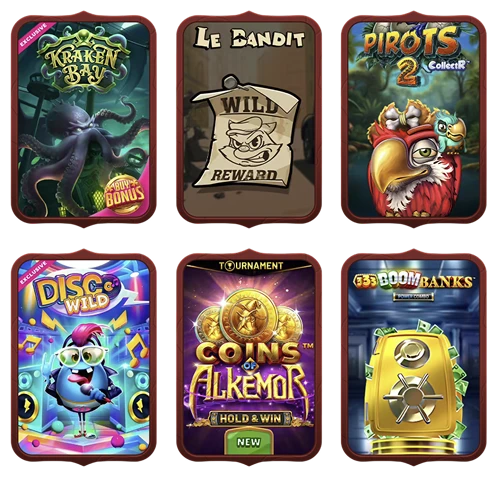
I dedicated three months recording every single time I spun at casino magius. As an Australian player, I was fed up with speculating how my habits measured up. I wanted hard numbers, not just a hazy memory from last night’s spin. So I kept a diary, a data log of every session, to understand what was really going on with my time and money.
The Reason I Started Tracking My Casino Play
My memory for casino sessions was dreadful. I’d fail to recall how long I’d played, or whether I kicked off ahead before a loss. I wanted something solid. I started tracking to answer basic questions: What was this hobby actually costing? Was I playing for fun, or just pursuing? Which games provided me the most play for my dollar?
I wasn’t aiming to beat the system. I just desired to play with my eyes open. Having a record meant I could notice my own patterns, good and bad. For anyone in Australia hopping between different online casinos, a little data cuts through the noise.
The Logging System and Key Metrics
I used a simple spreadsheet. After each session, before I undertook anything else, I’d open it up and enter the details. It took two minutes. Over weeks, those minutes accumulated to a picture I could never have seen otherwise.
What Was Logged Every Time
I logged the date, the start time, and exactly how long I played. I documented the specific game, like “Book of Dead” or “Live Blackjack Table 3”. I noted my starting balance, what I funded that session, and my balance when I cashed out. The final withdrawal number was the critical entry.
I also jotted down a brief note on my mood. Was I unengaged, stressed, or just passing time? And I recorded what finally prompted me to quit—a big win, a string of dead spins, or just my timer going off. This helped connect the money to my mindset.
Setting Personal Limits Before Playing
Before I even loaded the casino site, I’d set three rules for myself in the tracker: a time limit (say, 45 minutes), a loss limit I wouldn’t exceed, and a win goal that would trigger a cashout. Noting those numbers down first made them real. It’s the same principle behind the responsible gambling tools Magius Casino offers, but I was defining my own terms.
Recommendations for Other Australian Players
If you’re interested, attempt a basic version of this. For one month, merely note your session time, what you deposited, and what you played. Be completely honest. You will spot tendencies you didn’t realize you had.
My primary tip is to utilize all the controlled gaming tools Magius Casino supplies. Set those deposit limits and session reminders. Then, add your own private log. It gives you a tailored insight no generic tool can, because it’s completely about you.
Responsible Gambling as a Trackable Practice

This experiment made responsible gambling something I could measure. It became about figures: How many sessions did I complete this week? Did I breach my ibisworld.com limits? What did my mood notes indicate? The spreadsheet highlighted warning signs long before I might have felt them.
For Australian players, using tools like deposit limits is a necessity. My personal tracking acted like a second set of eyes. It combined my own awareness on top of the casino’s systems, giving me more command over the gaming session.
How This Data Changed My Approach
The evidence made me reconsider. I started planning short, deliberate sessions rather than diving in because I was bored. I chose games based on my log, choosing the titles I actually preferred for extended play, not just the ones with flashy jackpots.
The biggest change was mentally. Seeing every win and loss as a row in a spreadsheet took the drama out of it. A losing session became just one point in a bigger trend. That made it far simpler to walk away when I met my established limit.
The Three-Month Findings An Analysis of the Numbers
After 90 days, I possessed the cold, hard facts. I’d finished 67 sessions. Each one lasted about 38 minutes on average. The total I’d added over those three months was a specific sum I’d set aside for entertainment—seeing it all in one cell was a wake-up call.
Gameplay Breakdown
The numbers revealed me where my money went. Online pokies, especially the ones with “Bonus Buy” options, consumed most of my playtime. The results were inconsistent. Table games, like blackjack, were more stable. My sessions there continued longer, but the wins and losses were lower.
Live dealer games kept my attention the longest. The chat and the real-time action made it easy me to stay. My biggest single win resulted from a free spins trigger on a popular pokie. But when I examined the overall return, the classic table games gave me better value.
Daily Timing and Game Results
I observed a pattern I hadn’t expected. My evening sessions, right after work, were usually hasty and less successful. Weekend afternoon play was more laid-back, and my results were slightly better.
The clearest signal was for late-night play. Any session I initiated after midnight, while rare, almost always concluded with me blowing through my loss cap fast. The data was so persuasive I made a new rule: no logging in after midnight, ever.
Analyzing Volatility Through Personal Data
Recording every game taught me what volatility actually entails. I observed that on a specific high-volatility pokie at Magius, I might go 80 spins without a meaningful win. That abstract term “volatility” became a tangible countdown.
I discovered to match the game to my mood and budget. If I possessed a small bankroll and half an hour, I’d skip the pokies that were known to consume it without a bonus round. My choices became strategic.
Money Management Insights from the Log
My tracker demonstrated that adhering to my loss limit was key. The sessions where I overlooked my own rule accounted for more than 70% of my total losses. That number gave me pause.
On the other hand, the sessions where I achieved my win goal and actually cashed out the money were the most satisfying. The data revealed a clear lesson: banking smaller, frequent wins boosted my bottom line than waiting for one life-changing hit that never materialized.
The Surprising Takeaways Beyond Profit and Loss
The best outcome wasn’t about money. It was concerning having command. I redefined casino play as a monitored leisure activity, not a enigmatic gamble. That alone cut down my anxiety and made the whole thing more fun.
The data additionally aided me recognize the entertainment value. Some sessions where I ended down a few dollars had offered me an hour of absorbing fun. That’s a yardstick we often neglect. It assisted me judge the real value of a session, which isn’t always a clear-cut win or loss.